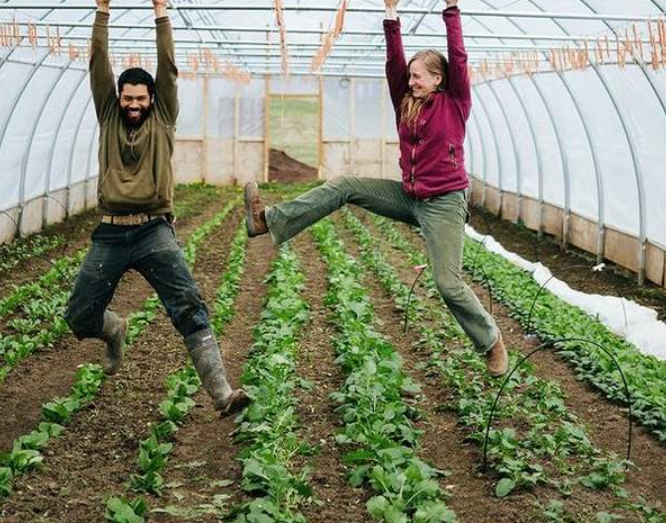
About Us — a practical philosophy of soil restoration
Our farm began as an experimental plot where the founders tested principles combining biodynamic composting, rotational grazing of small livestock, and perennial hedgerows to create ecological corridors. Over several seasons the land shifted from depleted tilth to a living soil capable of sustaining diverse crops without synthetic inputs. This process is documented, repeatable and shared: we teach the methods we used so other land managers can implement site-specific adaptations.
We prioritize soil-building strategies: layered compost teas, buried compost preparations, and timed planting calendars that align with local climatic windows. Biodiversity is encouraged by integrating native flowering strips for pollinators, cover-cropping to protect bare soil, and intercropping techniques that reduce pest pressure naturally. We also measure outcomes — soil organic matter, infiltration rates and biological activity — to refine practices and demonstrate measurable improvements over time.
The team blends practical farm skills with ecological thinking: agronomists, field technicians and workshop educators collaborate to transform small properties into resilient systems that produce nutritious food while restoring landscape function. We work with chefs, community groups and landowners to design regenerative plans that are practical, affordable and rooted in scientific observation and traditional craft.